How Connected Systems Improve Operational Visibility
Modern businesses generate data across applications, devices, assets, departments, and operational processes. However, having large amounts of data does not automatically give a business visibility into what is happening across its operations.
When systems operate independently, important information can remain trapped in separate platforms. Teams may rely on spreadsheets, manual reports, phone calls, or delayed updates to understand operational performance. This can make it difficult to identify problems quickly, coordinate resources, and make confident decisions.
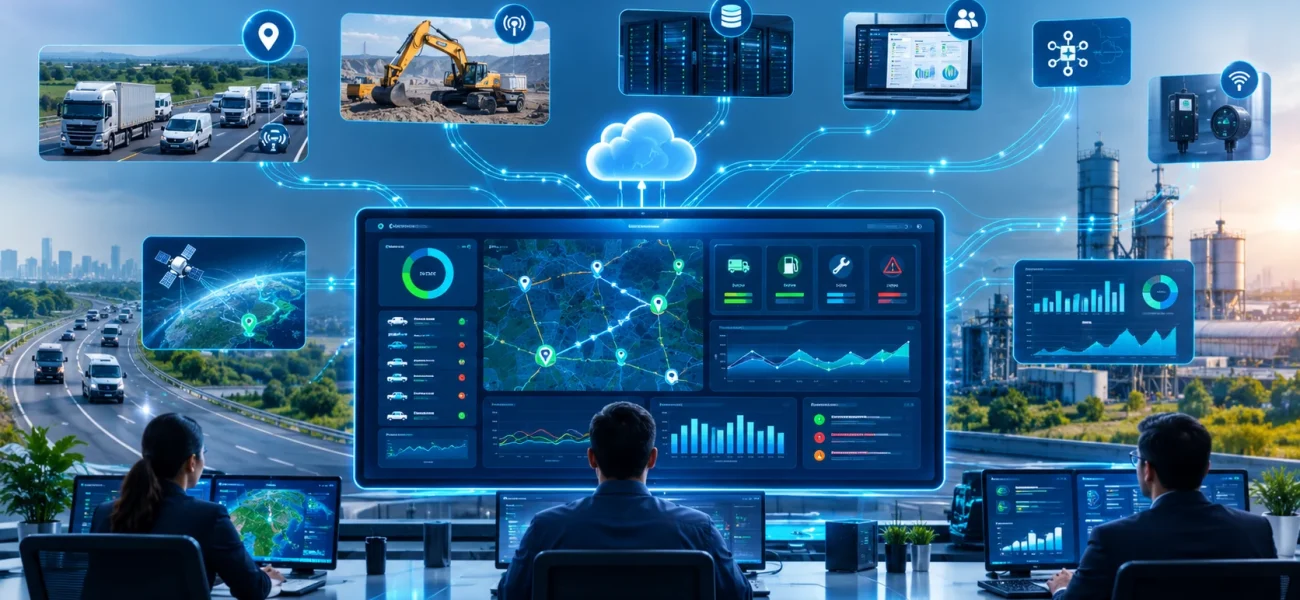
Connected systems help address this challenge by allowing applications, devices, platforms, and operational processes to communicate and exchange information. When connected technologies work together, businesses can create a more unified flow of operational data and gain better operational visibility.
From IoT-enabled assets and real-time monitoring to dashboards, analytics, automation, and integrated business applications, connected systems can help organizations understand their operations more clearly and respond faster to changing conditions.
In this guide, we explore what connected systems are, how they improve operational visibility, their key benefits, implementation challenges, and how businesses can build a more connected operational environment.
Smart Technology Solutions for Business Efficiency
Introduction
Smart technology solutions are helping modern businesses improve efficiency, productivity, visibility, and decision-making. As businesses manage increasing amounts of data, customers, employees, assets, and daily operations, traditional manual processes can create delays, errors, and unnecessary costs.
Businesses today need more than basic digital tools. They need connected technology that can collect information, automate repetitive processes, provide real-time visibility, and turn operational data into actionable insights.
From fleet management and GPS tracking to fuel monitoring, telematics, IoT, automation, and analytics, smart technology solutions help organizations build faster, more connected, and data-driven operations.
In this article, we explore how smart technology solutions improve business efficiency and why they have become an important part of modern business growth.
What Are Smart Technology Solutions?
Smart technology solutions are digital systems that use automation, connectivity, real-time data, analytics, and intelligent monitoring to improve business operations.
Unlike traditional processes that depend heavily on manual work, smart systems allow businesses to collect information automatically and make it available to the right people at the right time.
Smart technology can include:
- Real-time monitoring
- GPS tracking
- IoT devices
- Cloud-based platforms
- Automation
- Data analytics
- Artificial intelligence
- Telematics
- Connected sensors
- Digital dashboards
When these technologies work together, businesses can gain greater control over their operations and make faster, more informed decisions.
Why Smart Technology Solutions Matter for Modern Business
Modern businesses operate in an environment where speed, accuracy, and visibility are critical.
Managers need to know what is happening across their operations without waiting for manual reports. Employees need quick access to accurate information. Customers expect faster service. Management needs reliable data to control costs and identify growth opportunities.
Smart technology solutions address these requirements by connecting business processes and providing timely information.
They can help organizations:
- Improve operational visibility
- Reduce manual work
- Increase productivity
- Improve data accuracy
- Automate repetitive processes
- Reduce operational costs
- Improve communication
- Support faster decision-making
- Monitor performance
- Scale operations more efficiently
1. Improve Real-Time Operational Visibility
One of the biggest advantages of smart technology solutions is real-time operational visibility.
Traditional processes often depend on spreadsheets, phone calls, manual records, and delayed reports. This makes it difficult for managers to understand current operational conditions.
Connected technology provides access to current information through centralized dashboards and monitoring platforms.
Businesses can monitor:
- Operational activities
- Vehicle locations
- Fuel levels
- Equipment status
- Performance metrics
- Workflow progress
- Resource utilization
Real-time visibility allows businesses to identify issues earlier and respond before they become larger operational problems.
2. Automate Repetitive Business Processes
Manual tasks consume time and can increase the risk of human error.
Employees may spend hours entering information, preparing reports, checking records, or transferring data between systems.
Smart technology solutions can automate many repetitive activities.
Automation can help businesses:
- Reduce manual data entry
- Generate reports automatically
- Send operational alerts
- Update information in real time
- Reduce repetitive administrative work
- Improve workflow consistency
- Minimize processing delays
This allows employees to focus on more valuable activities such as customer service, problem-solving, planning, and business development.
3. Make Better Decisions With Real-Time Data
Business decisions are only as reliable as the information behind them.
When managers rely on outdated or incomplete information, they may miss operational problems or respond too slowly.
Smart technology solutions provide businesses with timely data that can be analyzed to identify trends and opportunities.
Businesses can use real-time information to:
- Monitor key performance indicators
- Identify operational trends
- Compare performance
- Detect unusual activity
- Measure productivity
- Analyze resource utilization
- Support strategic planning
Instead of making decisions based primarily on assumptions, managers can use measurable operational data.
4. Reduce Operational Costs
Improving efficiency is closely connected to controlling costs.
Unnecessary fuel consumption, inefficient routes, excessive downtime, manual administration, poor resource utilization, and avoidable maintenance can all increase operating expenses.
Smart technology helps businesses identify where these inefficiencies occur.
For example, fleet businesses can combine:
GPS Tracking + Fuel Monitoring + Telematics + Analytics
to understand vehicle activity, fuel consumption, routes, and performance.
This information can help businesses identify opportunities to reduce unnecessary operating expenses.
5. Improve Fleet Management and Vehicle Visibility
For transportation, logistics, construction, and commercial fleet businesses, smart technology can significantly improve fleet operations.
A modern Fleet Management System can connect:
- GPS tracking
- Fuel level sensors
- Vehicle data
- Driver monitoring
- Maintenance information
- Telematics
- Alerts
- Fleet analytics
Fleet managers can monitor vehicles from a centralized platform instead of relying on manual updates.
This can improve:
- Vehicle visibility
- Fleet utilization
- Route management
- Fuel control
- Driver monitoring
- Maintenance planning
- Operational coordination
6. Improve Fuel Management
Fuel is a major operating expense for many businesses that operate commercial vehicles and equipment.
Without accurate fuel information, businesses may struggle to identify excessive consumption, fuel losses, or unusual fuel activity.
Smart fuel monitoring solutions can provide real-time visibility into fuel levels and consumption.
Businesses can monitor:
- Fuel levels
- Fuel consumption
- Refueling activity
- Unexpected fuel drops
- Vehicle-wise fuel usage
- Historical fuel activity
This creates greater fuel accountability and helps businesses make better decisions about fuel management.
7. Detect Abnormal Activity Faster
Smart technology can help businesses identify unusual operational activity.
Real-time alerts can notify managers when predefined conditions occur.
For example, businesses can receive alerts related to:
- Unexpected fuel drops
- Unauthorized vehicle movement
- Route deviations
- Excessive idling
- Overspeeding
- Unusual equipment activity
- Operational exceptions
Early alerts give teams more time to investigate and respond.
8. Improve Employee and Driver Productivity
Technology can provide valuable information about how resources are being used.
In fleet operations, driver and vehicle data can help managers understand driving patterns, vehicle utilization, route activity, and operational performance.
This information can support:
- Driver performance improvement
- Better route planning
- Reduced idle time
- Improved productivity
- Safer driving practices
- Better resource allocation
The objective is not simply to monitor employees but to provide useful operational information that helps teams work more effectively.
9. Create Better Connected Workflows
Many businesses use multiple systems for different departments.
When these systems do not communicate with one another, information silos can develop.
Connected technology helps information move between relevant systems and teams.
This can improve coordination between:
- Operations
- Sales
- Finance
- Logistics
- Customer service
- Fleet teams
- Management
Better connectivity reduces duplicate work and creates a more consistent flow of information.
10. Support Preventive Maintenance
Unexpected equipment or vehicle breakdowns can cause significant operational disruption.
Smart technology can help businesses monitor vehicle and equipment information and use that data to support maintenance planning.
Businesses can use technology to:
- Track maintenance schedules
- Monitor vehicle performance
- Identify potential issues
- Reduce unexpected downtime
- Improve asset availability
- Maintain service records
Moving from reactive maintenance toward proactive maintenance can improve operational reliability.
11. Improve Customer Service
Customers increasingly expect accurate information and faster responses.
Smart technology gives businesses better visibility into operational activities, which can help customer-facing teams provide more accurate updates.
For example, logistics businesses can use vehicle tracking information to understand delivery progress and provide better operational communication.
Improved visibility can contribute to:
- Faster responses
- Better delivery coordination
- More accurate updates
- Improved customer confidence
- Better overall service
12. Build a Data-Driven Business
The long-term value of smart technology comes from the data it generates.
Businesses can analyze historical information to understand patterns, measure performance, and identify opportunities for improvement.
Over time, data can help organizations answer questions such as:
- Where are we losing efficiency?
- Which resources are being underutilized?
- Where are operating costs increasing?
- Which processes create delays?
- How can productivity be improved?
- What areas need management attention?
This creates a continuous improvement cycle:
Monitor → Analyze → Improve → Measure → Optimize
Smart Technology for Fleet-Based Businesses
Fleet-based organizations are particularly well positioned to benefit from connected technology.
A commercial fleet can generate large amounts of information related to:
- Vehicle location
- Fuel consumption
- Driver activity
- Vehicle performance
- Routes
- Trip history
- Maintenance
- Operating costs
A connected fleet platform can bring this information together in one place.
For example, GPS tracking can show where a vehicle is, while a fuel level sensor can show changes in fuel levels. Telematics can provide additional vehicle information, while analytics can help management identify trends.
Together, these technologies create a more complete picture of fleet performance.
Key Benefits of Smart Technology Solutions
Businesses that implement smart technology can benefit from:
Better Productivity
Automation reduces repetitive work and allows employees to focus on higher-value tasks.
Greater Visibility
Real-time monitoring provides a clearer understanding of current operations.
Lower Operating Costs
Better resource utilization and improved monitoring can help identify unnecessary expenses.
Faster Decisions
Current information enables managers to respond more quickly.
Improved Accuracy
Automated data collection can reduce errors associated with manual records.
Better Security
Alerts and monitoring can help identify unusual or unauthorized activity.
Improved Scalability
Connected digital systems can support businesses as operations become more complex.
Stronger Business Performance
Better information and efficient processes create a stronger foundation for sustainable growth.
How to Implement Smart Technology Successfully
Technology implementation should begin with a clear understanding of business requirements.
Define Clear Objectives
Identify the specific operational problems you want to solve.
For example:
- Reduce fuel costs
- Improve fleet visibility
- Automate reporting
- Reduce downtime
- Improve productivity
- Improve operational control
Choose the Right Solution
The best technology is not necessarily the most complicated technology.
Choose a solution that is:
- Relevant to your business
- Easy to use
- Scalable
- Reliable
- Secure
- Supported by professional service
Train Your Team
Employees need to understand how technology improves their daily work.
Proper training can increase adoption and ensure businesses receive the full value of their technology investment.
Monitor Results
After implementation, regularly measure performance.
Track relevant metrics such as:
- Productivity
- Operating costs
- Fuel consumption
- Downtime
- Response time
- Resource utilization
Continuous measurement helps businesses identify further opportunities for improvement.
The Future of Smart Business Technology
Smart technology will continue to influence how businesses operate.
Connected devices, IoT, artificial intelligence, cloud platforms, automation, telematics, and advanced analytics are creating increasingly intelligent business environments.
The future is moving toward operations where systems can continuously collect information, identify patterns, provide alerts, and support decision-making.
Businesses that build a strong digital foundation today can be better prepared for this changing environment.
Why Choose Spectameta?
Spectameta provides connected technology solutions designed to help businesses improve visibility, control, and operational efficiency.
Our technology solutions can bring together:
- Fleet Management
- GPS Tracking
- Fuel Management
- Fuel Level Sensors
- Telematics
- CAN Bus Technology
- Driver Monitoring
- Real-Time Alerts
- Fleet Analytics
By connecting operational data through intelligent technology, businesses can gain a clearer view of their assets, vehicles, fuel, and daily operations.
Frequently Asked Questions
Conclusion
Smart technology solutions are becoming an essential part of efficient modern business operations.
By combining real-time monitoring, automation, connected systems, analytics, and digital workflows, businesses can improve productivity, reduce operational inefficiencies, control costs, and make better decisions.
For fleet-based businesses, technologies such as GPS tracking, fuel monitoring, telematics, CAN Bus, and fleet analytics can provide valuable visibility into vehicle and operational performance.
The goal of smart technology is not simply to collect more data. It is to turn data into actionable information that helps businesses operate smarter, respond faster, and grow more efficiently.
As digital transformation continues, businesses that invest in the right connected technologies can build more efficient, responsive, and future-ready operations.
