



Real-Time Tyre Monitoring
Smart Tyre Alerts
Tyre Pressure Monitoring System (TPMS) for Commercial Fleets
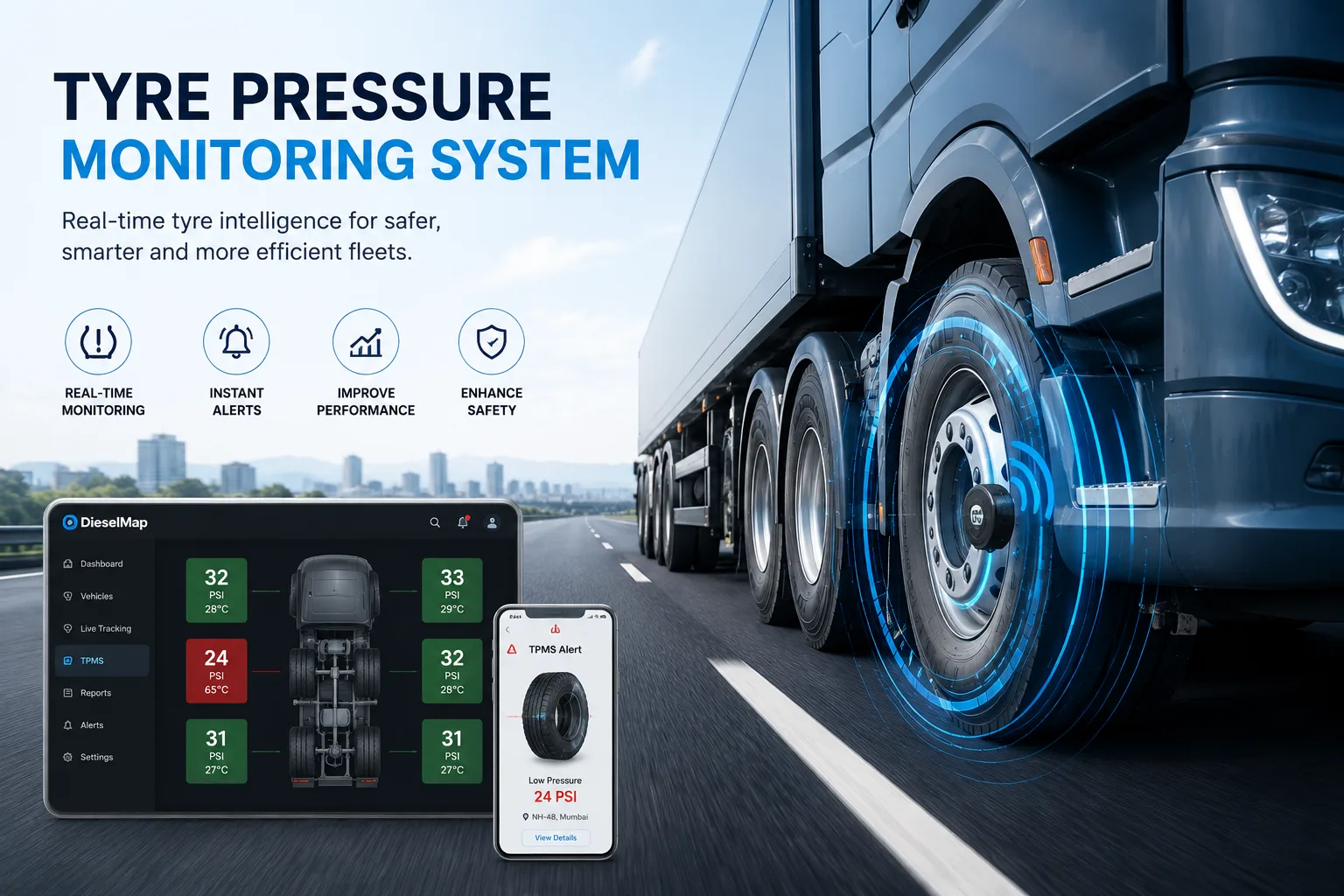
What is a Tyre Pressure Monitoring System ?
Real-Time Tyre Pressure & Temperature Monitoring
A Tyre Pressure Monitoring System (TPMS) uses sensors to continuously monitor tyre pressure and temperature across connected vehicles. The system sends tyre data to a monitoring platform and provides alerts when pressure or temperature moves outside the configured range.
For commercial vehicles and fleet operations, maintaining the correct tyre pressure can support safer driving, reduce premature tyre wear, improve vehicle efficiency, and help identify potential tyre-related issues before they become operational problems.
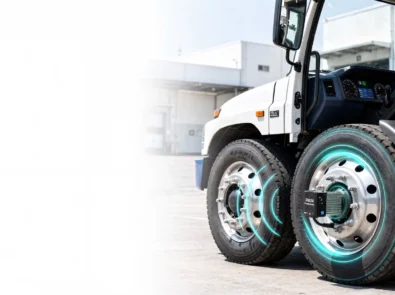

Monitor tyre pressure and temperature continuously across connected vehicles. Receive timely alerts when abnormal conditions are detected, helping operators respond before tyre issues lead to unnecessary downtime or safety risks.
With real-time tyre data and alerts, fleet operators can gain better visibility into tyre conditions and make more informed maintenance decisions.
Fleet Tyre Challenges TPMS Helps Prevent
Managing tyre health across multiple commercial vehicles can be difficult when tyre conditions are checked manually or only during scheduled inspections. A TPMS provides continuous tyre data and alerts, helping fleet operators identify potential issues earlier and take timely action.
Undetected Low Tyre Pressure
Low tyre pressure can increase tyre wear, affect vehicle handling, and increase rolling resistance. Continuous monitoring helps identify pressure loss before it becomes a serious operational issue.
Excessive Tyre Temperature
Abnormally high tyre temperature can indicate potential tyre stress or operating problems. Temperature monitoring helps operators identify unusual conditions and respond before they lead to tyre damage.
Uneven Tyre Wear
Incorrect pressure and changing operating conditions can contribute to uneven tyre wear. Regular tyre condition data helps maintenance teams identify issues and plan corrective action.
Unexpected Tyre-Related Breakdowns
Tyre problems can result in roadside breakdowns, vehicle downtime, and disrupted operations. Early alerts help operators address potential tyre issues before they cause unexpected interruptions.
Manual Tyre Inspections
Checking tyres manually across a large fleet can be time-consuming and may not provide continuous visibility. TPMS automates pressure and temperature monitoring, reducing dependence on frequent manual checks.
Poor Visibility Across Multiple Vehicles
Managing tyre conditions across trucks, buses, and other commercial vehicles can be challenging without centralized data. TPMS provides a clearer view of tyre conditions across connected vehicles from one monitoring platform.
Why Tyre Pressure Matters for Fleet Operations
The Hidden Cost of Improper Tyre Pressure
Tyres are among the most heavily utilized and expensive assets in commercial fleet operations. However, tyre health is often overlooked until a failure occurs. Incorrect tyre pressure can significantly impact vehicle performance, operating costs, and fleet safety.
For fleets operating trucks, trailers, buses, construction vehicles, and heavy-duty equipment, tyre-related incidents can result in delayed deliveries, increased maintenance expenses, cargo damage, and lost revenue.
Risks Associated with Incorrect Tyre Pressure
Increased Fuel Consumption
Underinflated tyres increase rolling resistance, forcing engines to work harder and consume more fuel. Over time, this can significantly increase fuel expenses across the fleet. When combined with Spectameta’s Fuel Management System, fleet operators can better understand how tyre conditions impact fuel efficiency.
Accelerated Tyre Wear
Improper tyre pressure causes uneven tread wear, reducing tyre lifespan and increasing replacement frequency. Consistent tyre monitoring helps maximize tyre utilization and lower maintenance costs.
Higher Risk of Tyre Failures
Tyre pressure loss and excessive heat buildup are among the leading causes of tyre blowouts. Real-time monitoring enables fleet operators to address issues before they become safety hazards.
Reduced Vehicle Stability
Incorrect tyre pressure negatively affects steering response, braking efficiency, and vehicle handling, increasing the risk of accidents and driver safety concerns.
Increased Fleet Downtime
Unexpected tyre failures can lead to roadside breakdowns, delivery delays, emergency repairs, and reduced fleet availability.
A proactive TPMS solution helps businesses reduce these risks while improving overall fleet performance.
How Does a Tyre Pressure Monitoring System Work?
How TPMS Monitors Tyre Health in Real Time
A Tyre Pressure Monitoring System uses advanced wireless sensors, vehicle communication networks, and cloud-based monitoring technology to continuously track tyre conditions across commercial fleets.
The system collects pressure and temperature data from every tyre and automatically alerts operators whenever unsafe conditions are detected.
Step 1: Tyre Sensor Installation
Intelligent TPMS sensors are installed on each tyre to measure pressure and temperature continuously. These sensors are designed to operate reliably in demanding commercial fleet environments, including long-haul transportation, construction sites, mining operations, and logistics networks.
Step 2: Real-Time Data Collection
The sensors continuously capture critical tyre parameters, including:
- Tyre pressure
- Tyre temperature
- Pressure fluctuations
- Rapid air loss events
- Abnormal heat buildup
This information provides a complete picture of tyre health while vehicles are in operation.
Step 3: Wireless Data Transmission
Sensor data is securely transmitted to an onboard receiver through wireless communication technology. The receiver collects tyre information from all monitored wheels and forwards the data to the Spectameta platform.
Step 4: Intelligent Data Analysis
The Spectameta platform analyzes incoming tyre data in real time and compares readings against predefined safety thresholds.
The system can identify:
- Underinflated tyres
- Overinflated tyres
- Slow air leaks
- Rapid pressure loss
- Excessive tyre temperatures
- Abnormal tyre performance trends
Step 5: Instant Alert Generation
Whenever tyre conditions exceed safe operating limits, the platform immediately generates alerts for fleet managers and drivers.
Alerts can be configured for:
- Low tyre pressure
- High tyre pressure
- Temperature thresholds
- Sudden pressure drops
- Sensor communication issues
Step 6: Centralized Fleet Monitoring
Fleet managers can monitor tyre conditions across the entire fleet from a single dashboard.
When integrated with our Vehicle Tracking System and GPS Tracking System, operators can instantly identify the vehicle’s location and respond to tyre-related incidents faster.
Step 7: Preventive Maintenance Planning
Historical tyre performance data helps maintenance teams identify recurring issues, optimize tyre replacement schedules, and reduce unplanned downtime.
When combined with Spectameta’s Telematics Solutions, tyre performance data can be analyzed alongside vehicle diagnostics, driver behavior, and operational trends for deeper fleet intelligence.
Advanced TPMS Features Designed for Commercial Fleets
Advanced TPMS Features Designed for Commercial Fleets
Spectameta’s Tyre Pressure Monitoring System (TPMS) is built specifically for commercial fleet operations, helping businesses monitor tyre health, improve safety, reduce operating costs, and maximize vehicle uptime. Through real-time monitoring, intelligent alerts, and seamless integration with DieselMap’s fleet technology ecosystem, TPMS provides complete visibility into tyre performance across trucks, buses, trailers, and heavy commercial vehicles.
Real-Time Tyre Pressure & Temperature Monitoring
Continuously monitor tyre pressure and temperature across every vehicle in your fleet. Advanced sensors collect live data from each tyre, allowing fleet managers to identify pressure deviations, overheating, and potential failures before they impact operations. Real-time monitoring improves tyre safety, extends tyre life, and supports more reliable fleet performance.
Instant Alerts & Proactive Risk Detection
Receive immediate alerts for underinflation, overinflation, rapid pressure loss, slow leaks, and abnormal tyre temperatures. Early warning notifications help maintenance teams resolve issues before they lead to tyre bursts, roadside breakdowns, or costly vehicle downtime. This proactive approach strengthens preventive maintenance programs and improves fleet safety.
Centralized Fleet Visibility
Monitor tyre health across all vehicles from a single dashboard. Fleet managers can access real-time tyre status, active alerts, historical records, and maintenance insights without relying on manual inspections. When integrated with our Fleet Management System, tyre data becomes part of a complete fleet performance and maintenance management platform.
GPS-Integrated Tyre Monitoring
By combining TPMS with DieselMap’s GPS Tracking System, operators can instantly identify the exact location of vehicles experiencing tyre-related issues. Location-based alerts enable faster response times, improved incident management, and reduced operational disruptions, particularly for long-haul and distributed fleet operations.
Fuel Efficiency Optimization
Incorrect tyre pressure increases rolling resistance and fuel consumption. TPMS helps maintain optimal tyre inflation levels, reducing fuel waste and improving overall vehicle efficiency. Businesses looking to control fuel costs can further enhance performance by integrating TPMS with our Fuel Management System and Fuel Level Sensor solutions.
Predictive Maintenance & Analytics
Transform tyre monitoring data into actionable maintenance insights. Historical pressure and temperature trends help maintenance teams identify recurring issues, optimize service schedules, and reduce unexpected repairs. This data-driven approach supports predictive maintenance strategies that improve fleet reliability and reduce operating expenses.
Telematics & Vehicle Data Integration
TPMS becomes even more powerful when connected with DieselMap’s Telematics Solutions. By combining tyre health data with vehicle diagnostics, driver behavior, route conditions, and operational performance metrics, fleet operators gain deeper insights that support smarter decision-making and improved asset utilization.
Multi-Axle & Heavy Vehicle Support
Designed for commercial transportation environments, Spectameta TPMS supports trucks, buses, trailers, tankers, construction equipment, and other heavy-duty vehicles. The system provides complete visibility across multiple axle configurations, ensuring every tyre is monitored for maximum safety, compliance, and operational efficiency.
Benefits of Implementing a Tyre Pressure Monitoring System (TPMS)
A Tyre Pressure Monitoring System (TPMS) gives fleet operators continuous visibility into tyre pressure and temperature across connected vehicles. By identifying abnormal tyre conditions early, businesses can improve tyre safety, support preventive maintenance, reduce avoidable downtime, and make better-informed fleet decisions.
Improved Tyre Safety
Monitor tyre pressure and temperature continuously to identify abnormal conditions early. Timely alerts help operators respond to potential tyre-related risks before they affect vehicle safety, handling, or road performance.
Reduced Tyre Wear
Maintaining appropriate tyre pressure helps reduce unnecessary stress and uneven wear. TPMS data allows fleet teams to identify pressure-related issues earlier and take corrective action to support longer tyre service life.
Better Maintenance Planning
Use real-time tyre condition data to support inspections and maintenance activities. Maintenance teams can identify tyres that require attention and plan corrective work based on actual tyre conditions rather than relying only on routine checks.
Reduced Unplanned Downtime
Early detection of abnormal tyre pressure or temperature can help prevent avoidable tyre-related failures. Addressing issues before they become critical can reduce roadside breakdowns, vehicle downtime, and operational disruptions.
Better Fleet Visibility
Monitor tyre pressure and temperature across multiple connected vehicles through a centralized platform. Fleet operators can quickly review tyre conditions and identify vehicles that may require inspection or maintenance.
Improved Operational Efficiency
Combine tyre condition data with vehicle and operational information to support better fleet decisions. Improved tyre visibility can help maintenance teams respond faster, manage vehicle availability, and maintain smoother fleet operations.
Industries We Serve
Spectameta’s Tyre Pressure Monitoring System is designed to support organizations that rely on safe, efficient, and uninterrupted vehicle operations. From transportation companies and logistics providers to construction and industrial fleets, TPMS helps reduce tyre-related risks while improving operational performance across diverse fleet environments.
Logistics & Transportation Fleets
Logistics companies depend on reliable vehicle performance to maintain delivery schedules and customer commitments. TPMS provides real-time visibility into tyre conditions, helping operators prevent unexpected breakdowns, improve route reliability, and reduce operational disruptions. When integrated with our Vehicle Tracking System, fleet managers gain greater visibility into both vehicle location and tyre health.
Long-Haul Trucking Operations
Long-distance trucks operate under demanding conditions that place continuous stress on tyres. TPMS helps trucking businesses monitor tyre pressure and temperature throughout every journey, reducing the risk of tyre failures, improving fuel efficiency, and supporting safer long-haul transportation.
Construction & Infrastructure Fleets
Construction vehicles frequently operate on uneven terrain, rough roads, and heavy-load environments. These conditions increase tyre wear and the likelihood of tyre damage. TPMS helps construction companies improve equipment reliability, reduce downtime, and support efficient project execution.
Mining, Oil & Gas Operations
Industrial fleets operating in remote locations face unique challenges where tyre failures can be costly and difficult to manage. TPMS enables continuous tyre monitoring that supports safer operations, minimizes maintenance risks, and improves vehicle availability in demanding environments.
Cold Chain & Distribution Fleets
Temperature-sensitive transportation requires dependable fleet performance and minimal interruptions. TPMS helps cold chain operators reduce tyre-related delays, maintain delivery schedules, and improve overall transportation reliability. Connected with our Fleet Management System, businesses can gain broader operational visibility across vehicles, drivers, and maintenance activities.
Waste Management & Municipal Services
Waste collection vehicles operate in stop-and-go conditions that can increase tyre stress and wear. TPMS helps municipal and private fleet operators improve tyre management, reduce maintenance costs, and ensure consistent service delivery throughout daily operations.
Agriculture & Specialized Commercial Fleets
Agricultural and specialized commercial vehicles often operate across varied terrains and challenging conditions. TPMS helps maintain tyre performance, improve operational safety, and extend tyre lifespan while supporting more efficient vehicle utilization.
Why Choose Spectameta for Tyre Pressure Monitoring System (TPMS)?
Spectameta provides connected tyre pressure monitoring solutions designed to give businesses better visibility into tyre pressure, temperature, and tyre-related conditions across commercial vehicles.
Real-Time Tyre Monitoring
Monitor tyre pressure and temperature continuously across connected vehicles. Access current tyre condition data through the monitoring platform and identify abnormal readings that may require attention.
Smart Tyre Alerts
Receive timely alerts when tyre pressure or temperature moves outside configured limits. These notifications help fleet teams identify potential tyre issues early and take appropriate action before they affect vehicle operations.
Commercial Vehicle Support
Designed for businesses operating trucks, buses, heavy vehicles, and other commercial fleets. The solution helps fleet operators maintain better visibility into tyre conditions across different vehicle types and operating environments.
Centralized Tyre Monitoring
View tyre pressure and temperature information for multiple connected vehicles from a centralized platform. Fleet teams can quickly identify vehicles with abnormal tyre conditions without relying entirely on individual manual inspections.
Easy Technology Integration
Integrate TPMS data with compatible vehicle monitoring, telematics, and fleet technology systems. Connected data can provide a broader view of vehicle and tyre conditions within your existing operational ecosystem.
Actionable Tyre Insights
Turn tyre pressure and temperature data into useful information for maintenance planning and operational decisions. These insights help teams identify tyres requiring attention, improve vehicle availability, and manage tyre-related issues more proactively.
Intelligent Tyre Monitoring for
Smarter Fleets
Track tyre conditions in real time, receive instant alerts, and improve fleet performance with advanced TPMS technology.
Frequently Asked Questions
What is a Tyre Pressure Monitoring System (TPMS)?
A TPMS is a vehicle monitoring solution that uses sensors to measure tyre pressure and, depending on the system, tyre temperature. It provides real-time tyre information and alerts when abnormal conditions are detected.
How does a Tyre Pressure Monitoring System work?
TPMS sensors collect pressure and temperature data from individual tyres and transmit the information to a monitoring platform. Fleet operators can view tyre conditions and receive alerts when readings move outside configured limits.
Why is TPMS important for commercial vehicles?
Commercial vehicles often operate long distances and carry heavy loads, making tyre condition particularly important. TPMS provides continuous visibility into tyre pressure and temperature instead of relying only on manual inspections. Early detection can help reduce tyre-related risks, wear, and unexpected operational disruptions.
Can TPMS detect low tyre pressure and high temperature?
Yes. A TPMS can monitor tyre pressure and, when temperature monitoring is supported, identify abnormal temperature conditions. The system can generate alerts when readings move outside configured thresholds. This allows fleet teams to investigate potential tyre problems before they become more serious.
Can TPMS help reduce tyre wear and maintenance costs?
TPMS provides timely information about tyre pressure conditions that may contribute to excessive or uneven tyre wear. Fleet teams can use this information to identify tyres requiring inspection or corrective action. Better tyre monitoring can support maintenance planning and help avoid unnecessary tyre-related expenses.
Can TPMS be used for trucks and commercial fleets?
Yes. TPMS solutions can be used for trucks, buses, trailers, heavy commercial vehicles, and other fleet applications. The system can be configured according to the vehicle type and tyre configuration. This makes it suitable for both individual commercial vehicles and larger fleets.
Can TPMS integrate with GPS tracking and telematics systems?
Yes. Compatible TPMS solutions can integrate tyre data with GPS tracking, telematics, and other vehicle monitoring technologies. This allows businesses to connect tyre condition information with relevant vehicle and operational data. Integration can provide a more complete view of fleet performance and maintenance requirements.
How can Spectameta TPMS improve fleet operations?
Spectameta TPMS provides real-time visibility into tyre pressure and temperature across connected vehicles. Alerts help operators identify abnormal conditions and respond more quickly. The resulting tyre data can support maintenance planning, reduce tyre-related downtime, and improve overall fleet operational control.
Pressure
Monitoring
Temperature
Tracking
Performance
Insights
Ready to Improve Tyre Safety &
Reduce Downtime ?
Monitor tyre pressure and temperature in real time, receive timely alerts, and improve tyre visibility with Spectameta TPMS.