


10 Benefits of Fleet Management Systems for Modern Businesses
Managing a fleet of vehicles involves much more than knowing where vehicles are located. Fleet managers need to monitor vehicles, drivers, fuel consumption, routes, maintenance, safety, utilization, and operating costs while keeping day-to-day operations running efficiently.
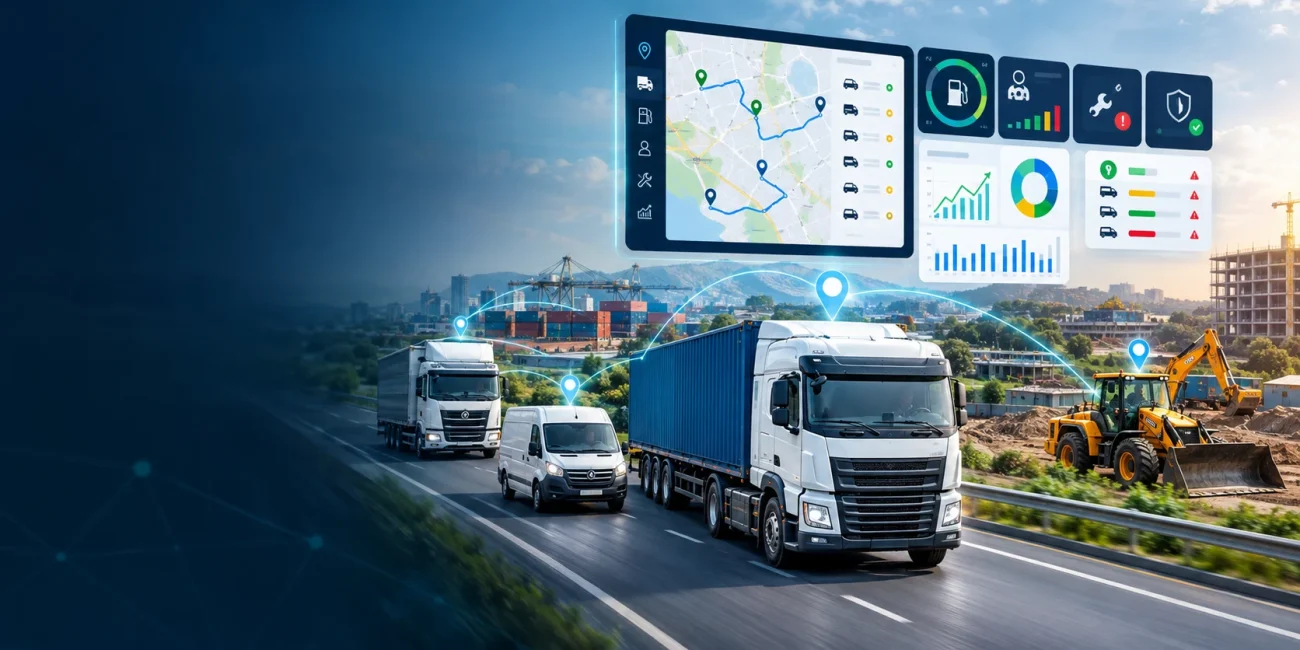
A fleet management system brings these activities together through a centralized digital platform. By combining GPS tracking, vehicle telematics, fuel monitoring, driver behavior data, maintenance information, real-time alerts, and fleet analytics, businesses can gain better visibility and make more informed operational decisions.
Whether you manage a small commercial fleet or a large transportation and logistics operation, a modern fleet management system can help improve visibility, streamline operations, control costs, and create a more connected fleet.
In this guide, we explore 10 important benefits of fleet management systems and explain how connected fleet technology can support modern businesses.
What Is a Fleet Management System?
A fleet management system is a technology solution that helps businesses monitor, manage, and optimize vehicles and fleet operations from a centralized platform.
Depending on the solution, a fleet management system may combine:
- GPS vehicle tracking
- Fleet telematics
- Fuel management
- Fuel-level sensors
- Driver behavior monitoring
- Vehicle monitoring
- Maintenance management
- Route tracking
- Real-time alerts
- Fleet analytics and reporting
Instead of relying on spreadsheets, phone calls, manual records, and disconnected systems, fleet managers can use centralized fleet data to understand what is happening across their vehicles and operations.
The objective is not simply to track vehicles. The real objective is to turn fleet data into actionable information that improves operational efficiency, safety, utilization, and cost control.
10 Benefits of Fleet Management Systems
1. Real-Time Vehicle Tracking
One of the most important benefits of a fleet management system is real-time vehicle tracking.
GPS tracking allows fleet managers to view vehicle locations, movement, routes, and trip activity through a centralized dashboard. This provides greater visibility than relying on manual driver updates or telephone communication.
Real-time vehicle tracking can help businesses:
- Monitor vehicle locations
- Understand vehicle movement
- Review trip history
- Identify route deviations
- Improve dispatch coordination
- Respond faster to operational situations
For transportation, logistics, delivery, construction, and other commercial fleets, having current vehicle information can make day-to-day fleet coordination easier and more efficient.
2. Better Fleet Visibility
Managing multiple vehicles without centralized information can make it difficult to understand overall fleet performance.
A fleet management system brings important operational information together, giving managers a more comprehensive view of their fleet.
Depending on the system, managers may be able to monitor:
- Vehicle locations
- Vehicle movement
- Trip activity
- Driver information
- Fuel levels and consumption
- Vehicle status
- Maintenance information
- Driver behavior
- Fleet performance
This connected visibility allows managers to identify operational issues more quickly and make decisions using current fleet information instead of relying entirely on manual records.
3. Improved Fuel Management
Fuel is a significant operating expense for many commercial fleets. Even small amounts of unnecessary fuel consumption or unexplained fuel loss can become costly when multiplied across dozens or hundreds of vehicles.
A fleet management system can integrate fuel management technology and fuel-level sensors to provide greater visibility into fuel usage.
Businesses can monitor information such as:
- Fuel levels
- Fuel consumption
- Refueling activity
- Unexpected fuel-level changes
- Vehicle-wise fuel usage
- Fuel-related events
By understanding where and when fuel is being consumed, fleet managers can identify unusual patterns and investigate potential sources of fuel loss.
Better fuel visibility can support more effective fuel management and help businesses make informed decisions about fleet operating costs.
4. Fuel Theft Prevention and Detection
Fuel theft is a major concern for businesses operating trucks, commercial vehicles, construction equipment, and other fuel-dependent assets.
Traditional fuel monitoring methods may make it difficult to determine exactly when or where an unexpected fuel loss occurred.
With connected fuel monitoring, fuel-level sensor data can be combined with GPS and vehicle information to provide greater context around fuel-related events.
For example, fleet managers may be able to investigate:
- Sudden fuel-level drops
- Fuel loss while a vehicle is stationary
- Unexpected fuel changes
- Fuel events occurring outside normal operating conditions
- The location and time associated with a fuel event
This creates a more transparent approach to fuel monitoring and can help businesses investigate potential fuel theft more efficiently.
5. Driver Behavior Monitoring
Driver behavior can influence fleet safety, fuel consumption, vehicle wear, and overall operating costs.
A fleet management system can provide data about driving patterns and operational behavior. Depending on the technology installed, businesses may be able to monitor events such as:
- Overspeeding
- Harsh acceleration
- Harsh braking
- Sudden movements
- Excessive idling
- Route deviations
- Other driving events
This information can help fleet managers identify potentially risky driving patterns and provide targeted feedback or training.
Over time, monitoring driver behavior can support a more structured approach to driver safety, accountability, and fleet performance.
6. Proactive Vehicle Maintenance
Unexpected vehicle breakdowns can lead to delivery delays, vehicle downtime, additional repair costs, and disruptions to business operations.
Fleet management technology can help businesses move from a purely reactive approach to a more proactive maintenance process.
Fleet managers can use vehicle information and maintenance records to:
- Schedule regular servicing
- Track maintenance activities
- Monitor vehicle usage
- Identify vehicles requiring attention
- Maintain service histories
- Reduce the risk of avoidable downtime
Better maintenance visibility can help businesses keep vehicles available for operations and improve long-term fleet management.
For larger fleets, centralized maintenance information can also make it easier to identify recurring vehicle issues and plan maintenance activities.
7. Better Route Management and Vehicle Utilization
Efficient route planning can help businesses manage travel time, fuel consumption, and vehicle utilization more effectively.
GPS tracking provides information about actual vehicle movement and historical routes. Fleet managers can use this information to understand travel patterns and identify operational inefficiencies.
Route and vehicle data can help businesses:
- Review completed routes
- Identify route deviations
- Understand travel patterns
- Improve dispatch coordination
- Monitor vehicle utilization
- Reduce unnecessary vehicle movement
For logistics and delivery operations, better route visibility can also help businesses coordinate vehicles more effectively and respond to changing operational requirements.
8. Improved Fleet Safety
Fleet safety is a critical consideration for transportation, logistics, construction, employee transportation, and other commercial vehicle operations.
A connected fleet management system can provide visibility into vehicle locations, driving behavior, and operational activity.
When GPS tracking is combined with driver monitoring, alerts, telematics, and vehicle data, fleet managers can identify potentially risky patterns and take appropriate action.
Fleet safety technology can support:
- Driver behavior monitoring
- Overspeeding alerts
- Vehicle visibility
- Trip monitoring
- Route monitoring
- Incident investigation
- More structured safety management
The technology does not replace proper driver training, safety policies, or management procedures. Instead, it provides data that can help businesses manage those processes more effectively.
9. Data-Driven Fleet Decisions
Modern vehicles generate large amounts of operational data. Without a centralized system, this information can remain fragmented across spreadsheets, manual records, separate devices, and individual departments.
A fleet management system brings relevant information together so managers can analyze fleet performance from a broader perspective.
Businesses can use fleet data to evaluate areas such as:
- Fuel consumption
- Vehicle utilization
- Driver performance
- Route activity
- Maintenance
- Vehicle performance
- Fleet productivity
- Operating patterns
This helps managers move from assumptions and manual reporting toward data-driven fleet management.
The more effectively businesses use their fleet data, the easier it becomes to identify inefficiencies, prioritize improvements, and monitor operational performance.
10. Better Cost Control and Operational Efficiency
The combined benefits of fleet management can contribute to better control of operating expenses.
Improved fuel visibility, route management, vehicle utilization, driver monitoring, and maintenance planning can help businesses identify where unnecessary costs may occur.
For example, fleet managers may identify:
- Excessive fuel consumption
- Unnecessary idling
- Inefficient routes
- Underutilized vehicles
- Preventable maintenance issues
- Risky driving patterns
- Unauthorized vehicle movement
The goal of fleet management is not simply to collect more data.
The real value comes from turning fleet data into actionable information that helps businesses improve efficiency and control costs.
Why Do Businesses Need a Fleet Management System?
As fleets become larger and more connected, managing vehicles through manual processes can become increasingly difficult.
A modern commercial fleet can generate information about:
- Location
- Movement
- Fuel
- Driver behavior
- Vehicle performance
- Maintenance
- Routes
- Usage
When this information is disconnected, managers may struggle to develop a complete picture of fleet operations.
A connected fleet management system brings these data points together in one platform.
This allows businesses to move from:
Manual Monitoring → Digital Monitoring → Connected Fleet Operations → Data-Driven Decisions
This shift can help fleet managers improve operational visibility while creating a more structured approach to fleet management.
What Features Should a Fleet Management System Include?
GPS Vehicle Tracking
Provides real-time visibility into vehicle locations, movement, routes, and trip history. Fleet managers can track vehicles throughout their journeys, monitor route adherence, and improve fleet coordination and operational control.
Fuel Management
Helps businesses monitor fuel consumption, usage patterns, and fuel-related expenses. It can identify unusual consumption trends, reduce unnecessary fuel costs, and provide better control over overall fleet fuel usage.
Fuel-Level Sensors
Provides accurate, real-time information about fuel levels inside vehicles. Sensor data can help detect unexpected fuel drops, support fuel-loss investigations, and improve the accuracy of fuel monitoring and reporting.
Fleet Telematics
Connects vehicle data with fleet management software to provide deeper operational insights. Businesses can use telematics data to understand vehicle usage, mileage, performance, driver activity, and overall fleet efficiency.
Driver Monitoring
Helps businesses understand driving patterns through events such as overspeeding, harsh braking, rapid acceleration, and excessive idling. This information can encourage safer driving habits, reduce vehicle wear, and improve driver performance.
Maintenance Management
Helps organizations schedule, manage, and track routine servicing, inspections, and vehicle repairs. Keeping maintenance activities organized can reduce unexpected breakdowns, improve vehicle reliability, and help extend vehicle operating life.
Real-Time Alerts
Provides instant notifications when selected vehicle or operational events occur. Managers can quickly respond to speeding, unauthorized vehicle movement, excessive idling, fuel-level changes, or other important fleet events.
Fleet Analytics and Reporting
Converts collected fleet data into useful reports, dashboards, and actionable insights. Businesses can analyze fuel usage, mileage, vehicle utilization, driver behavior, maintenance, and other key metrics to support informed operational decisions.
Who Can Benefit From Fleet Management Systems?
Transportation and Logistics
Transport and logistics companies can monitor vehicles, drivers, routes, fuel consumption, and overall fleet performance from one centralized platform. This improves operational visibility, route management, and fleet efficiency while helping managers coordinate daily activities.
Construction
Construction companies can track vehicles, machinery, and equipment operating across multiple project locations. Fleet data provides better visibility into asset movement, utilization, fuel consumption, and maintenance requirements, helping teams manage resources more effectively.
Mining
Mining operations can use connected vehicle and equipment monitoring to maintain visibility across large and demanding operating environments. Tracking vehicle activity, fuel usage, and operating data can support productivity, safety, maintenance planning, and better resource management.
Distribution and Delivery
Distribution businesses can monitor delivery vehicles, review routes, and track vehicle activity throughout daily operations. Better fleet visibility helps improve delivery coordination, route planning, vehicle utilization, and overall service efficiency.
Employee Transportation
Employee transportation providers can use GPS tracking and fleet monitoring to maintain visibility over vehicles, routes, and trips. Driver and vehicle data can support safer transportation, better scheduling, and improved coordination of employee pickup and drop-off services.
Commercial Fleets
Businesses operating company-owned commercial vehicles can monitor utilization, fuel consumption, mileage, maintenance, and vehicle activity. This enables fleet managers to control operating costs, improve vehicle availability, and make better use of their fleet resources.
How Spectameta Supports Connected Fleet Management
Spectameta provides connected technology solutions designed to help businesses improve fleet visibility, vehicle monitoring, fuel control, and operational efficiency.
Spectameta’s connected solutions include:
- Fleet Management
- GPS Tracking
- Fuel Management
- Fuel-Level Sensors
- Telematics
- Driver Monitoring
- Vehicle Monitoring
- Maintenance Management
- Fleet Analytics
- Real-Time Alerts
By bringing these capabilities together, businesses can develop a more connected view of their fleet operations and use real-time information to support better decisions.
The right combination of technologies depends on factors such as fleet size, vehicle type, industry, operating environment, and business objectives.
How to Choose the Right Fleet Management System
Before investing in a fleet management system, businesses should evaluate their operational requirements rather than choosing a solution based only on the number of features.
– Evaluate Your Fleet Size
Your fleet size can influence the type of tracking, reporting, and management capabilities you need.
– Identify Your Fuel Management Requirements
If fuel is a major operating expense or fuel theft is a concern, look for a solution that supports fuel monitoring and fuel-level sensors.
– Consider Driver Behavior Monitoring
If safety and driver performance are priorities, consider solutions that provide relevant driving-event information and alerts.
– Review Vehicle Maintenance Capabilities
Businesses with larger fleets may benefit from centralized maintenance records, servicing schedules, and vehicle information.
– Check Real-Time Alert Capabilities
Alerts can help managers respond more quickly to selected vehicle, driver, fuel, or operational events.
– Consider Scalability
A fleet management solution should be able to support your current requirements while accommodating future fleet growth.
Frequently Asked Questions
Final Thoughts
A modern fleet management system is more than a vehicle tracking tool.
It can provide businesses with a connected view of vehicles, drivers, fuel, routes, maintenance, safety, and operational performance.
By combining GPS tracking, fuel management, telematics, vehicle monitoring, driver data, and fleet analytics, businesses can gain better visibility into daily operations and identify opportunities to improve efficiency and control costs.
For organizations looking to build a smarter and more connected fleet, fleet management technology can become an important part of their long-term operational strategy.
Ready to Take Control of Your Fleet?
Modern fleet management is about more than simply tracking vehicles. With connected GPS tracking, fuel monitoring, telematics, driver behavior monitoring, maintenance management, and real-time alerts, businesses can gain greater visibility into everyday fleet operations. Turn vehicle data into actionable insights, improve operational efficiency, control unnecessary costs, and make more informed fleet management decisions.
